
Oil-Based vs Water-Based Fence Stains: The Weather Resistance Data
 January 12, 2026
 By
Art Evans & Sons
By
Art Evans & Sons
 January 12, 2026
 By
By
When you’re investing in a wood fence, choosing the right stain isn’t just about color. It’s about protection that lasts through Ohio’s brutal winters, humid summers, and everything in between. The stain you select determines whether you’re restaining in two years or five, whether your fence weathers gracefully or cracks prematurely, and ultimately how much money you spend on maintenance over the fence’s lifetime.
The debate between oil-based and water-based fence stains has intensified as manufacturers improve formulations and regulations tighten around VOC emissions. But when weather resistance matters most—and in the Midwest, it always does—the data tells a clear story about which type of stain performs better.
How Fence Stains Protect Wood
Before comparing products, understanding protection mechanisms matters. Wood fence stains work through two primary methods: penetration and film formation.
Penetrating stains soak into wood fibers, becoming part of the wood structure itself. This integration allows the wood to expand and contract naturally with temperature changes while maintaining protection. Oil-based products excel at penetration because oil molecules are smaller and more compatible with wood’s cellular structure.
Water-based stains historically sit more on the surface, creating a protective film. Modern formulations have improved penetration capabilities, but molecular size limitations remain. Water molecules are larger than oil molecules, which fundamentally affects how deeply the stain can penetrate wood fibers.
The Science Behind Weather Resistance
Moisture is wood’s primary enemy. When water penetrates untreated wood, it causes swelling. When that water freezes, it expands by roughly 9%, creating internal pressure that splits fibers and causes checking (surface cracks). This freeze-thaw cycle repeats throughout Midwest winters, progressively damaging unprotected wood.
A study on wood preservation indicates that oil-based products create superior moisture barriers because they displace water at the molecular level. Oil and water don’t mix, which becomes an advantage when protecting wood. Oil-based stains fill wood pores with hydrophobic material that actively repels moisture intrusion.
Butler County experiences average winter temperatures that regularly drop below freezing, followed by daytime warming—the perfect recipe for freeze-thaw damage. Quality fence staining must withstand these cycles year after year.
Oil-Based Stain Performance Data
Oil-based fence stains consistently outperform water-based alternatives in weather resistance testing. The reasons are both chemical and practical.
Penetration Depth
Oil-based stains penetrate 2-3 times deeper than most water-based products. This depth provides protection from within the wood structure rather than relying on surface coating. When surface wear occurs from UV exposure or physical contact, oil-stained wood retains protection in deeper layers.
Testing shows oil-based stains typically penetrate 3-5mm into wood fibers, while water-based products often reach only 1-2mm. This difference becomes critical during Ohio’s freeze-thaw cycles when surface layers take the brunt of weather damage.
Moisture Resistance
Field tests demonstrate that oil-based stains reduce water absorption by 85-90% compared to untreated wood. Water-based stains reduce absorption by 60-75%, a significant difference when measuring long-term durability.
The hydrophobic nature of oil creates an active barrier against moisture. Even as the stain ages and surface wear occurs, the oil embedded in wood fibers continues repelling water. Water-based films, once compromised, offer less residual protection.
Freeze-Thaw Durability
Research on wood coatings in cold climates shows oil-based stains maintain integrity through 50-75 freeze-thaw cycles before showing significant degradation. Water-based products typically show failure at 30-45 cycles.
This difference matters practically. One harsh Midwest winter might include 20-30 freeze-thaw cycles. An oil-based stain handles multiple winters before requiring reapplication, while water-based products may need attention sooner.
UV Protection
Ultraviolet radiation breaks down wood lignin, causing graying and surface degradation. Oil-based stains contain additives that absorb UV rays before they reach wood fibers. The deeper penetration also means UV protection exists throughout the wood surface, not just in a top film.
Testing indicates oil-based stains maintain color and UV protection 40-60% longer than comparable water-based products in full-sun exposure. For fences facing south or west, this difference translates to years of additional protection.
Water-Based Stain Characteristics
Water-based stains have improved dramatically over the past decade. While they don’t match oil-based products in weather resistance, they offer specific advantages in certain situations.
Application Benefits
Water-based stains dry faster, typically within 2-6 hours compared to 12-24 hours for oil-based products. This quick dry time appeals to homeowners wanting immediate results. However, faster drying can work against proper penetration, as the stain has less time to soak into wood fibers.
Cleanup requires only soap and water, eliminating the need for mineral spirits or paint thinner. For DIY applications, this convenience reduces project complexity.
Color Retention
Water-based stains maintain surface color longer than oil-based products. While oil-based stains fade naturally over time as UV exposure occurs, water-based films keep their original hue until the film itself begins failing.
This characteristic is cosmetic rather than protective. Oil-based stains weather to natural wood tones, which many property owners prefer. The color change doesn’t indicate protection failure, just surface oxidation. Water-based stains, conversely, often look the same until they suddenly begin peeling.
VOC Compliance
Ohio follows Lake Michigan Air Directors Consortium regulations requiring 250 grams per liter or less VOC content for stains. This regulation affects oil-based products more significantly, as traditional formulations often exceeded these limits.
Modern low-VOC oil-based stains meet these requirements while maintaining performance. Some contractors report the newer formulations actually perform better than older high-VOC versions, as manufacturers were forced to improve base technology rather than relying on solvent content.
Water-based stains naturally contain fewer VOCs, typically ranging from 50-150 grams per liter. For projects requiring the lowest possible emissions, water-based products maintain an advantage.
Mildew Resistance
Water-based stains often include better mildewcide packages than oil-based products. In shaded fence areas with poor air circulation, mildew can be a persistent problem.
However, oil-based stains’ superior moisture resistance prevents the damp conditions mildew requires. The best defense against mildew is keeping wood dry, which oil-based products do more effectively.
Real-World Longevity Comparison
Manufacturer claims about stain life often exceed real-world performance. Field data from fence contractors provides more realistic expectations.
Oil-based transparent stains typically last 3-4 years in full sun exposure before requiring recoating. Semi-transparent formulations extend this to 4-5 years. Solid-color oil-based stains can reach 5-7 years, though solid stains trap moisture more than penetrating products and may cause wood rot if water infiltrates the coating.
Water-based transparent products generally need reapplication after 2-3 years. Semi-transparent versions last 3-4 years. Solid water-based stains advertise 5-7 year lifespans but often fail prematurely through peeling, especially after harsh winters.
The recoating process differs significantly. Oil-based stains fade and can simply be cleaned and restained. Water-based film failures require stripping or sanding before new stain adheres properly. This preparation adds 20-30% to project costs.
Cost Analysis
Initial product costs favor oil-based stains. Professional-grade oil-based products cost $40-50 per gallon, while comparable water-based stains run $50-60 per gallon. Coverage rates are similar, typically 200-300 square feet per gallon depending on wood porosity.
The real cost difference emerges in maintenance cycles. A fence stained with oil-based product requires attention every 4 years on average. The same fence with water-based stain needs work every 3 years. Over a 12-year period, the oil-based fence gets restained twice; the water-based fence needs it three times.
Factor in preparation requirements—water-based stains often need stripping or sanding between coats while oil-based products just need cleaning—and the cost gap widens. The fence that seemed economical initially becomes more expensive over time.
Application Considerations for Ohio Climate
Ohio’s weather patterns create specific challenges for fence staining. Understanding these helps maximize any stain’s performance.
Timing Windows
The ideal staining window is late spring or early fall when temperatures range from 50-80°F with low humidity. This allows proper penetration and curing before temperature extremes.
Oil-based stains handle temperature variations better during application. They can be applied in conditions as cool as 40°F, though drying time extends significantly. Water-based products require warmer temperatures, typically 50°F minimum, and struggle if temperatures drop below 40°F before curing completes.
Wood Moisture Content
Wood moisture content must be below 18% for effective staining. New fence installations require drying time—pressure-treated pine needs 3-6 months, while kiln-dried cedar can be stained almost immediately.
Oil-based stains are more forgiving of slightly elevated moisture levels. Water-based products applied to wood above 15% moisture often fail to bond properly, leading to premature peeling.
New Fence vs. Restaining
New wood accepts oil-based stain exceptionally well. The deep penetration happens easily in fresh, clean wood fibers. First applications often provide the best protection a fence ever receives.
Water-based products work adequately on new wood but don’t penetrate as deeply. Their primary advantage emerges when restaining over existing water-based coatings, where product compatibility matters.
For weathered gray wood, oil-based stains restore color better because they penetrate past the oxidized surface layer. Water-based stains may require more aggressive cleaning or brightening to achieve similar results.
Professional vs. DIY Application
Application method affects performance regardless of stain type. Professional contractors achieve better results primarily through proper surface preparation and optimal application timing.
Oil-based stains are more forgiving for DIY applications. They can be applied with inexpensive pump sprayers ($20-30), don’t show lap marks easily, and their slow drying allows time to catch drips and achieve even coverage.
Water-based stains require more skill. They dry quickly, showing lap marks if application pace isn’t maintained. Professional-grade sprayers ($200-1200) provide better results than budget equipment. Two-person teams work more efficiently—one spraying, one back-brushing to ensure even penetration.
The forgiveness factor matters for homeowners tackling fence staining for the first time. Oil-based products hide technique imperfections better than water-based alternatives.
Environmental and Health Considerations
Modern staining involves balancing performance with environmental responsibility and user safety.
VOC Regulations Impact
Ohio’s 250 g/L VOC limit affects product selection but doesn’t eliminate oil-based options. Manufacturers reformulated products to meet these standards, often improving performance in the process.
Low-VOC oil-based stains perform comparably to traditional formulations in weather resistance testing. The main difference is odor during application and initial curing. Some contractors report low-VOC products have almost pleasant scents compared to harsh traditional formulations.
Application Safety
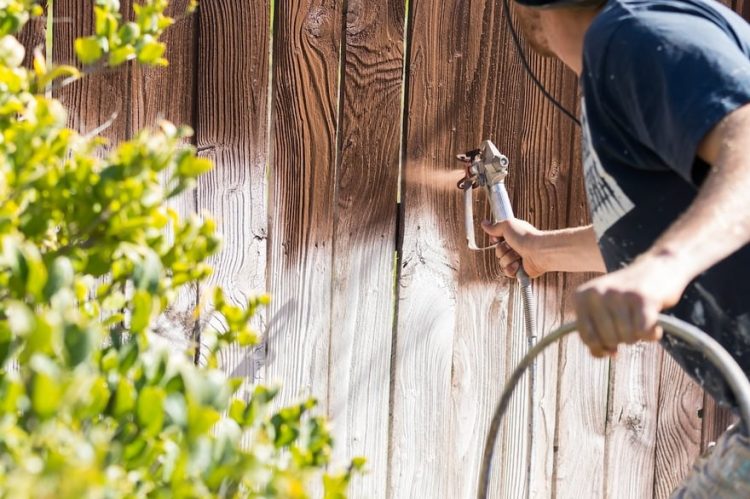
Water-based stains offer clearer safety advantages during application. No respirator required, minimal odor, and soap-and-water cleanup reduce applicator exposure to harmful chemicals.
Oil-based products require adequate ventilation and protective equipment. However, once cured (typically 24-72 hours), both stain types are equally safe around people and pets. The application phase represents the only meaningful safety difference.
Long-Term Environmental Impact
Durability provides the greenest outcome. A stain lasting five years versus three years means fewer materials used, less waste generated, and reduced labor over the fence’s lifetime. By this measure, oil-based stains’ superior longevity makes them environmentally preferable despite higher application-phase emissions.
Wood Species Compatibility
Different fence woods respond differently to stain types, though oil-based products generally perform better across all species.
Cedar and redwood, with their natural rot resistance and open grain structure, accept oil-based stains exceptionally well. The oil enhances these woods’ natural beauty while adding weather protection. Water-based stains work adequately but may mask the grain patterns homeowners prize in premium woods.
Pressure-treated pine, the most common fence material, performs better with oil-based stains. The treatment chemicals can interfere with water-based product adhesion if the wood hasn’t dried sufficiently. Oil-based stains penetrate past the treated outer layer, providing better overall protection.
Making the Right Choice for Your Fence
The data consistently favors oil-based stains for weather resistance, particularly in climates experiencing freeze-thaw cycles. Oil-based products penetrate deeper, resist moisture more effectively, handle temperature extremes better, and last longer between recoating.
Water-based stains make sense in specific situations: when VOC concerns override all other factors, when application speed matters more than longevity, or when restaining over existing water-based finishes.
For the typical homeowner in Butler County facing Ohio’s variable weather, oil-based fence stains provide superior protection and better long-term value. The initial application requires more care regarding ventilation and cleanup, but the extended protection period and reduced maintenance frequency more than compensate.
The best fence stain is ultimately the one that protects your investment longest while fitting your maintenance preferences and environmental priorities. Understanding the real performance differences helps you make that choice based on facts rather than marketing claims.
Protect Your Investment with Professional Expertise
Choosing the right fence stain matters, but proper application determines whether you get the full benefit of that choice. Art Evans & Sons has been protecting wood surfaces in Oxford and Butler County since 1943, bringing 80+ years of expertise to every project.
Our team understands how Ohio’s weather challenges wood fences and uses only premium Sherwin-Williams products selected specifically for Midwest climate conditions. Whether you’re staining a new fence or restoring a weathered one, we ensure proper surface preparation, optimal product selection, and skilled application that maximizes your stain’s weather resistance and longevity.
Explore our painting and staining services to see how we can protect your fence investment, or call us at (513) 523-6425 for a free consultation and estimate. We’ll assess your fence’s condition, recommend the best products for your specific situation, and ensure professional results backed by our limited seven-year warranty.
Author Info

One comment
Comments are closed.
Oil-Based vs. Water-Based Fence Stain – Frisco Fence Staining
[…] Lower, typically 50-150 g/L Artevansandsonsinc […]